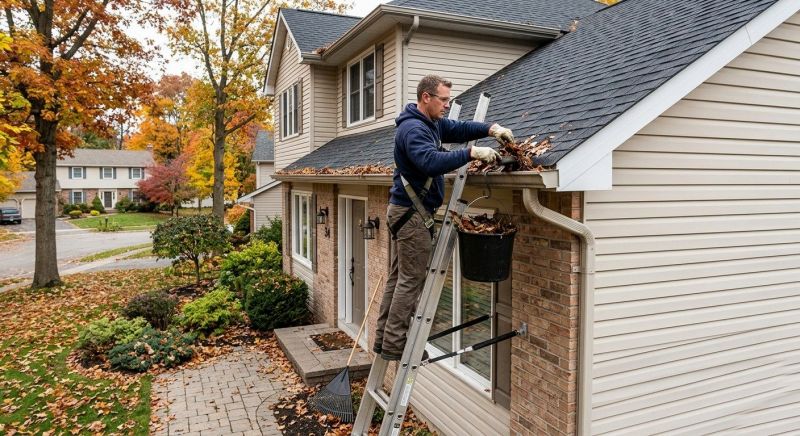
Gutter Leaves Removal in Monmouth County, NJ
Gutter leaves removal services focus on clearing out accumulated debris such as leaves, twigs, and other organic matter from residential gutter systems. This service is essential for maintaining proper water flow and preventing blockages that can lead to water damage, foundation issues, or roof problems. Projects typically include cleaning gutters along the eaves of homes, especially during seasons when falling leaves are abundant, as well as addressing clogged downspouts and ensuring the entire gutter system functions effectively.
Homeowners interested in gutter leaves removal should consider the condition of their gutters and the amount of debris buildup they experience regularly. It’s helpful to understand the scope of the project, including whether the service covers only accessible areas or involves working around obstacles like trees or landscaping. Clarifying these details can ensure the service meets specific property needs and helps maintain the integrity of the home’s drainage system.
Many property owners in Monmouth County, NJ look into Gutter Leaves Removal for repairs, replacements, upgrades, and appearance-related improvements.
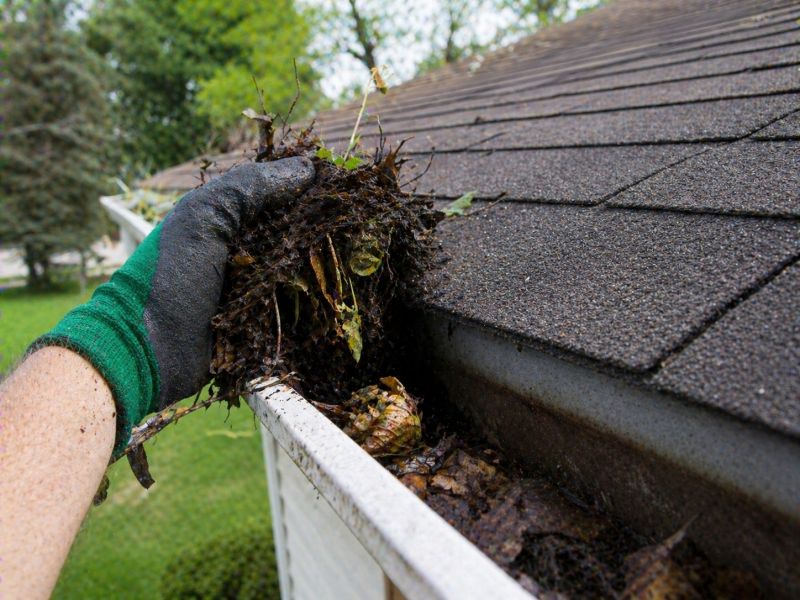
Gutter Leaf Removal Benefits
Removing leaves from gutters helps prevent water damage and keeps drainage systems functioning properly.
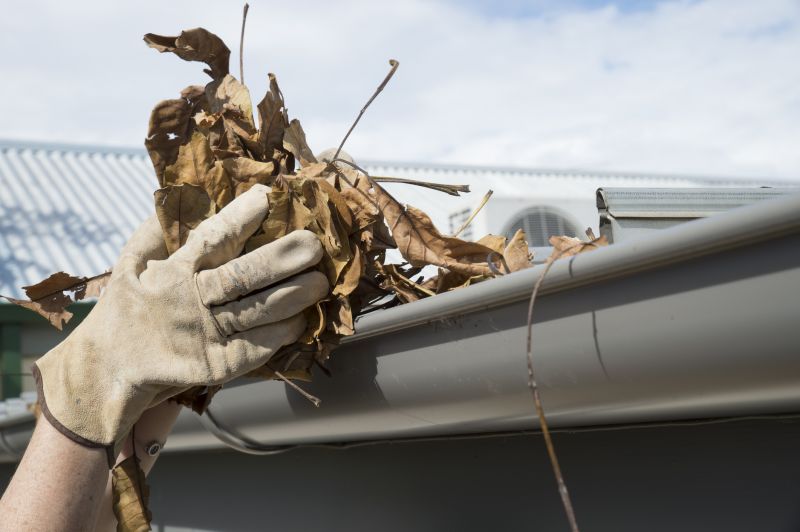
Common Gutter Clutter
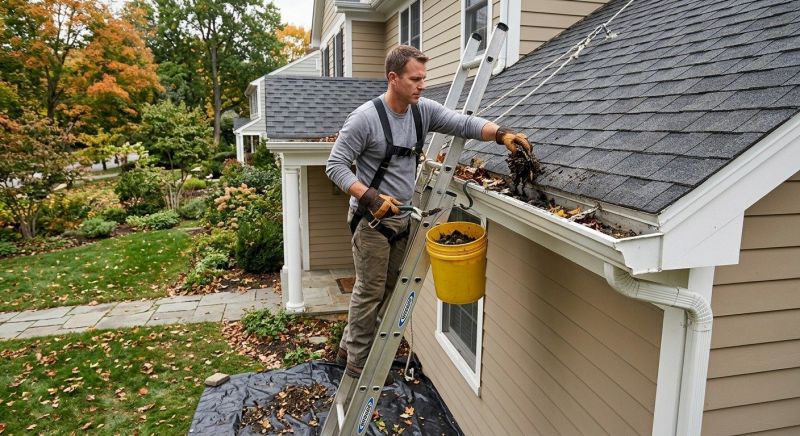
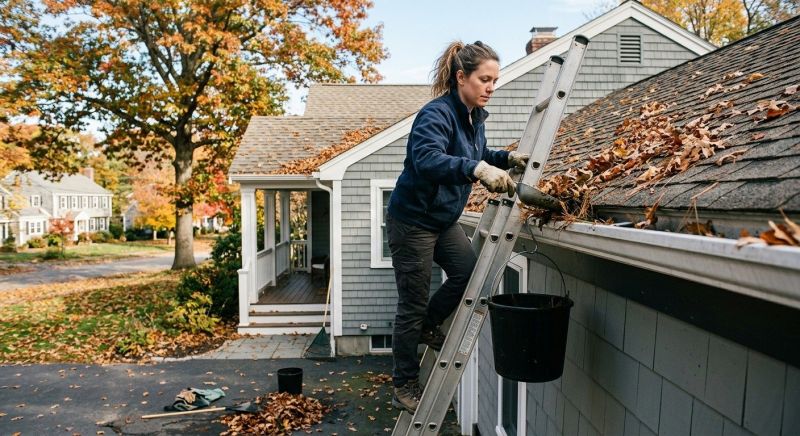
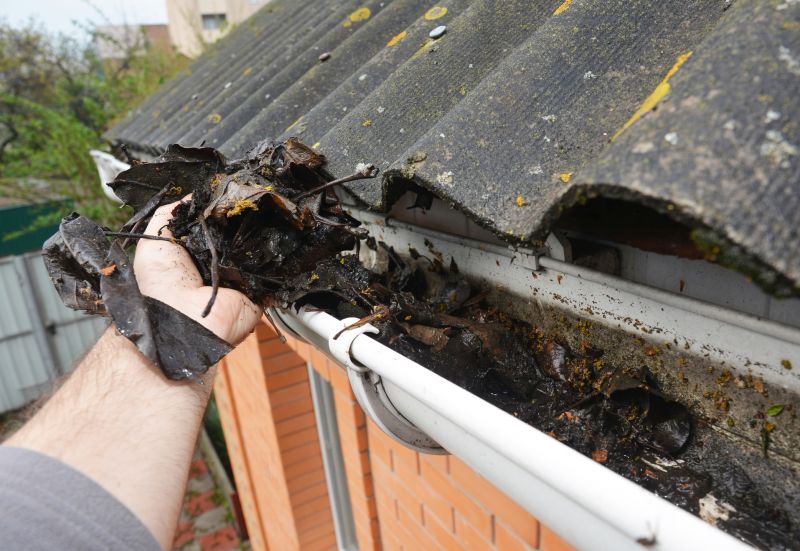
Leaves, twigs, and debris often accumulate in gutters, especially during fall in monmouth county, nj.
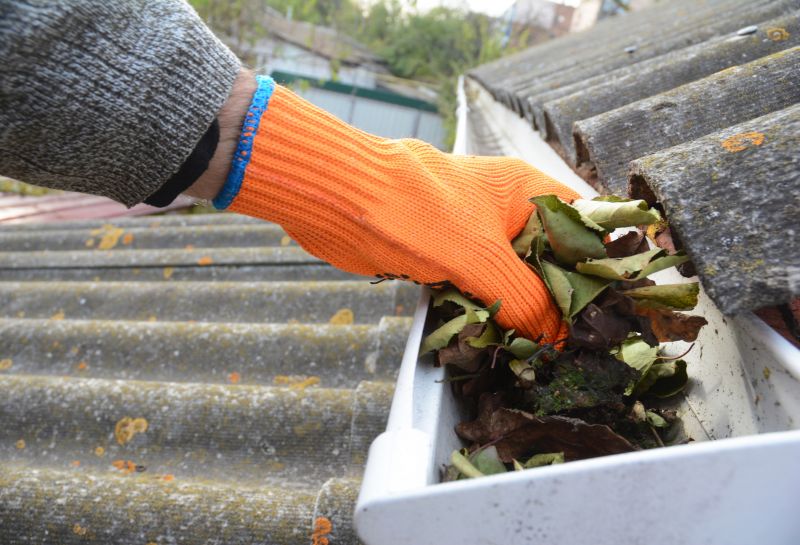
Maintenance Tips For Homeowners
Regular gutter cleaning reduces the risk of clogs and extends the lifespan of gutter systems.
Gutter Leaves Removal in Monmouth County, NJ

Gutter leaves removal services focus on clearing out accumulated debris such as leaves, twigs, and other organic matter from residential gutter systems. This service is essential for maintaining proper water flow and preventing blockages that can lead to water damage, foundation issues, or roof problems. Projects typically include cleaning gutters along the eaves of homes, especially during seasons when falling leaves are abundant, as well as addressing clogged downspouts and ensuring the entire gutter system functions effectively.
Homeowners interested in gutter leaves removal should consider the condition of their gutters and the amount of debris buildup they experience regularly. It’s helpful to understand the scope of the project, including whether the service covers only accessible areas or involves working around obstacles like trees or landscaping. Clarifying these details can ensure the service meets specific property needs and helps maintain the integrity of the home’s drainage system.
Many property owners in Monmouth County, NJ look into Gutter Leaves Removal for repairs, replacements, upgrades, and appearance-related improvements.
Common Gutter Leaves Removal Jobs
Gutter Leaves Removal - Keeps gutters clear of leaves and debris to prevent clogs.
Seasonal Gutter Cleaning - Regular removal of leaves during peak fall months.
Storm Debris Removal - Clears gutters after storms to maintain proper drainage.
Gutter Maintenance - Ensures gutters are free of blockages for optimal performance.
Downspout Clearing - Removes leaves and obstructions from downspouts to prevent overflow.
Debris Disposal - Properly disposes of collected leaves and debris from gutter cleaning.
Gutter Leaves Removal Questions
Why should leaves be removed from gutters? Removing leaves helps prevent blockages that can cause water overflow and potential damage to the roof and foundation.
What types of debris are typically cleared during leaf removal? Common debris includes leaves, twigs, pine needles, and small plant matter that can accumulate in gutters.
How often should gutter leaves be removed? The frequency depends on nearby trees and weather, but generally, twice a year is recommended for maintenance.
Can gutter leaf removal help prevent pest issues? Yes, removing debris reduces habitats for pests like insects and rodents that may nest in clogged gutters.
Request Gutter Leaves Removal in Monmouth County, NJ
Use the quote form on this page to share the basics of your project and request more information for the type of work you need.